Consultations & Estimates FAQs
Tree concerns are rarely one-size-fits-all. A consultation is an on-site arborist visit focused on diagnosis, risk awareness, and clear next steps. Use the questions below to understand what to expect, how to prepare, and how recommendations are developed.
Consultation & Estimates Scope
What this covers
- Tree health concerns and decline
- Pruning objectives and feasibility
- Tree risk screening and mitigation options
- Site conditions affecting trees, including drainage and construction impacts
- Written recommendations and documentation options
What this does not cover
- Instant quotes without visual inspection
- Diagnosis based on a single close-up photo only
- Guaranteeing outcomes for stressed or declining trees
- Legal determinations of liability, unless a written report is commissioned
What happens during an arborist consultation?
An arborist consultation is an on-site evaluation where we identify tree issues, clarify your goals, and outline practical options without the expectation of work being performed.
- What are some standard consults?: Tree Species List, Landscaping Questions, Tree Health Questions, Construction Planning.
- Are you wanting work performed?: If you don't plan on receiving any work when calling us, its likely a consultation.
- We inspect key health indicators: canopy condition, structural form, defects, root flare area, soil and drainage, and site impacts.
- We explain options: pruning objectives, plant health care strategies, monitoring, tree support systems, or removal when warranted.
You leave with the next steps: what to do now, what can wait, and what outcomes are realistic when performing future work.
What happens during a free estimate?
A free estimate is an on-site visit for clients who already know they need tree work and want pricing for the job. Additionally, if you called us for a consultation, but while on site the Arborist finds a necessary service, and you want it performed, then it becomes a free estimate.
- We review the requested work: pruning, removal, treatments, planting, or other clearly defined services.
- We assess the site conditions: tree access, targets, work complexity, equipment needs, and property considerations.
- We define the scope: what work is recommended, what is included, how the job should be approached, and what standards mater.
- You receive pricing and next steps: a clear estimate for the work and guidance on how to move forward.
Do you charge for consultations?
For professional recommendations, diagnosis, and risk-informed guidance, a consultation fee is typically required.
- Why there is a fee: time on site, professional evaluation, and responsibility attached to recommendations.
- What it includes: inspection, discussion, and clear guidance on options and priorities.
- When a written report is needed: insurance, HOA, construction, disputes, or formal documentation.
How long does a consultation take?
Most consultations take 30 to 90 minutes, depending on the number of trees and complexity.
- Single tree with a focused concern is usually on the shorter end.
- Multiple trees, multi-issue sites, or risk concerns may require more time.
- If a formal report is needed, the visit may include measurements and photo documentation.
How should I prepare for the visit?
A few small steps improve accuracy and reduce back-and-forth.
- Provide access to the yard and any gated areas.
- Secure pets indoors: please bring dogs and other animals inside, or place them in a closed area
- Point out specific concerns: cracks, dead limbs, lean, fungal growth, soil heaving, prior failures.
- Share recent history: storms, trenching, grading, irrigation changes, herbicide use, or construction.
- If available, gather photos from earlier seasons to show decline progression.
Can you diagnose from photos or video?
Photos can help with triage, but most diagnoses require an on-site evaluation.
- Photos are useful for initial screening and prioritizing urgency.
- Many issues involve root zone conditions, structure, and site factors that cannot be confirmed remotely.
- If the concern involves safety or potential failure, an on-site visit is the appropriate standard of care.
What information helps you give the best recommendations?
The best recommendations come from combining symptoms with site history.
- Tree location and any targets nearby, such as homes, driveways, play areas, or utility lines
- Timeline of symptoms, including when decline started
- Recent changes, including soil work, drainage, irrigation, and construction
- Any prior pruning, cabling, lightning strike, pest or lawn treatments
- Your goals, including whether you prefer preservation, risk reduction, or replacement planning
Will I receive written recommendations?
All of our free estimates will have writen recommendations.
- For many residential consultations, verbal guidance plus an estimate with recommendations is sufficient.
- If you need documentation for a third party, request a full report.
- A full report is recommended for insurance, construction, HOA requirements, or neighbor disputes.
Do you provide proposals for pruning or removal?
Yes, when work is appropriate and within scope, you can receive a clear proposal.
- Pruning recommendations should align with ANSI A300, and focus on objectives such as clearance, risk reduction, and structural improvement.
- Removal recommendations are made when defects, decline, or site constraints make retention unreasonable.
- Final scope can depend on access, equipment needs, and targets.
What if my issue is urgent or storm-related?
If there is active failure potential, treat it as time-sensitive.
Schedule promptly if you see:
- Fresh cracks in trunk or major leaders
- A new lean, soil lifting, or exposed roots
- Hanging or broken limbs over a target
- Recent failure with additional defects present
- Decay indicators near the base with targets nearby
If immediate hazards exist, restrict access to the area until evaluation or mitigation occurs.
Do you consult for construction and tree protection?
Yes. Tree protection planning is often the difference between tree survival and preventable decline.
- Pre-construction assessment and feasibility recommendations
- Tree protection zones, root protection, and access planning
- Monitoring during work when appropriate
- Post-construction mitigation recommendations
How far in advance should I schedule?
Scheduling depends on seasonality and storm activity.
- Peak demand often occurs after storms and during active growing seasons.
- If you have deadlines for insurance, HOA, or contractors, schedule as early as possible.
- If the issue involves safety concerns, schedule at the earliest available time.
Get a quote
Contact Us
Science-Based Plant Health Care
Root-zone focused care that prioritizes primary stressors and long-term resilience.
Best for
- Yellowing or chlorosis
- Thinning canopy and decline
- Compacted soils, poor drainage
- Drought recovery and heat stress
What we do
- Root-zone and site assessment
- Moisture, mulch, and soil strategy guidance
- Targeted nutrition recommendations when justified
- Monitoring and phased improvement plans
Precision Pruning and Responsible Removals
Objective-based pruning aligned with ANSI A300, removals only when mitigation is not reasonable.
Best for
- Structural pruning and training
- Clearance, canopy management, storm recovery
- Risk reduction near homes and targets
- Deadwood, defects, and load management
What we do
- Defined pruning objectives, proper cuts, no harmful practices
- Structural pruning and selective reduction where appropriate
- Removal planning with property protection
- Stump grinding and site reset options
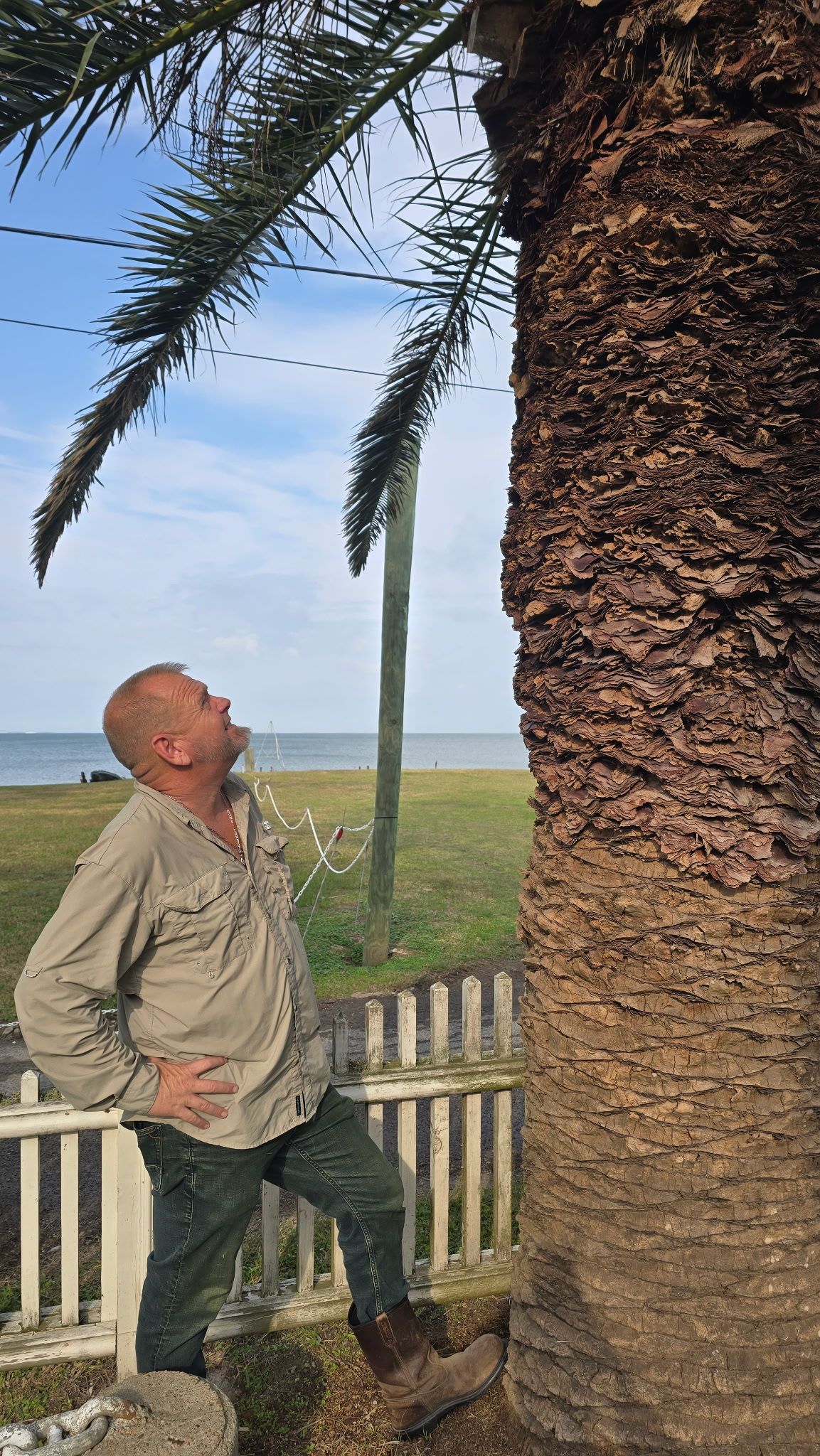
Paid Arborist Consultation
Have questions or concerns about your tree’s care? Our tree expert will come to you to consult on your tree’s needs.
Free Estimates
If you need specific tree work done, we offer free estimates on tree services such as tree removal, stump grinding, and more.