Arborist Services in Katy, TX
Subdivision Tree Evaluation and Root-Zone Management in Katy, Texas
Katy, TX is defined by large master-planned residential communities where much of the canopy was installed during subdivision development. As these plantings mature, structural reliability, root performance, and canopy balance require periodic professional evaluation.
We provide arborist-led services in Katy focused on documented structural assessment, preservation-first management, and long-term tree health planning.
Request a professional evaluation.
Local Tree and Property Conditions in Katy, TX
Many neighborhoods in Katy, including areas such as Cinco Ranch and surrounding master-planned communities, were developed through coordinated grading and engineered drainage systems. Trees installed during development frequently grow within compacted or modified soils influenced by construction activity.
Flat terrain common to portions of Katy can create localized drainage variability. During extended rainfall events, soil saturation may temporarily reduce oxygen availability within the root zone. Conversely, extended dry periods typical of Southeast Texas may introduce cyclical moisture stress.
Subdivision planting patterns often result in trees positioned near sidewalks, driveways, and residential setbacks. As canopy expands over time, structural distribution relative to homes and pedestrian areas becomes increasingly important.
Evaluation Philosophy in Katy
Professional arborist evaluation in Katy must account for development history, soil behavior, structural attachment integrity, and target exposure.
Assessment frequently focuses on:
• Root performance in compacted or engineered soils
• Structural attachment development in subdivision-installed trees
• Canopy balance near residential structures
• Early detection of defect progression before visible failure
Visible growth alone does not confirm structural stability. Recommendations are based on documented findings and observed condition.
Priority Services in Katy, TX
Tree Risk Assessment:
Risk assessment in Katy often addresses canopy extension over homes, fences, and shared property lines within dense residential neighborhoods. Structural inspections evaluate attachment strength, defect formation, and weight distribution relative to targets.
When mitigation is appropriate, branch-tip reduction or defect correction may be recommended based on documented structural findings.
Plant Health Care and Root-Zone Support:
Soil compaction and grading associated with subdivision development may influence long-term vitality. Root-zone evaluation may be indicated where decline symptoms appear.
Plant Health Care in Katy focuses on supporting functional root systems and improving long-term resilience when conditions warrant intervention. Treatments are condition-driven rather than routine.
Structural Pruning:
Structural pruning is objective-based and applied when specific defects or imbalance are documented. Broad canopy thinning is not promoted as a generalized storm-prevention strategy.
Recommendations prioritize preserving structural reliability while maintaining canopy health.
Removal Planning and Tree Disposition Guidance:
Removal is considered only when structural reliability cannot be reasonably mitigated. Planning includes evaluation of access logistics, property protection, and surrounding infrastructure.
When regulatory considerations apply, we assist in identifying likely documentation requirements before proceeding.
Environmental Considerations in Katy
Katy’s growth pattern means many trees are entering structural maturity simultaneously. As canopy expands beyond initial planting dimensions, periodic professional evaluation becomes increasingly important.
Long-term tree stability in Katy requires attention to root-zone conditions established during development and structural evolution over time.
Recent Work in Katy, TX
Case Study #337: Severe Pruning Damage Treatment - Nottingham, Katy
Property Context:
At a residence in the Nottingham area of Katy, a rear yard live oak had been subjected to severe pruning that resulted in noticeable canopy imbalance and reduced overall performance. The homeowner observed decline indicators following the pruning event.
Evaluation Findings:
Assessment documented pruning damage consistent with excessive canopy removal and disruption of normal crown structure. Observable indicators included reduced canopy density, weakened shoot extension, and stress response consistent with loss of functional leaf area and increased physiological demand during recovery.
Intervention:
A biostimulant treatment was performed to support recovery and improve overall tree function following the pruning damage. Management focused on root-zone support and condition-based plant health care intended to promote more stable regrowth and improve vitality while the canopy reestablished functional capacity.
Outcome (Observable):
Following treatment, the live oak showed improved vitality and a positive regrowth response. Subsequent monitoring documented new growth and improved canopy performance consistent with recovery support after severe pruning damage.
Case Study #1659: Herbicide Damage and Transplant Shock - Katy Prairie Estates, Katy
Property Context:
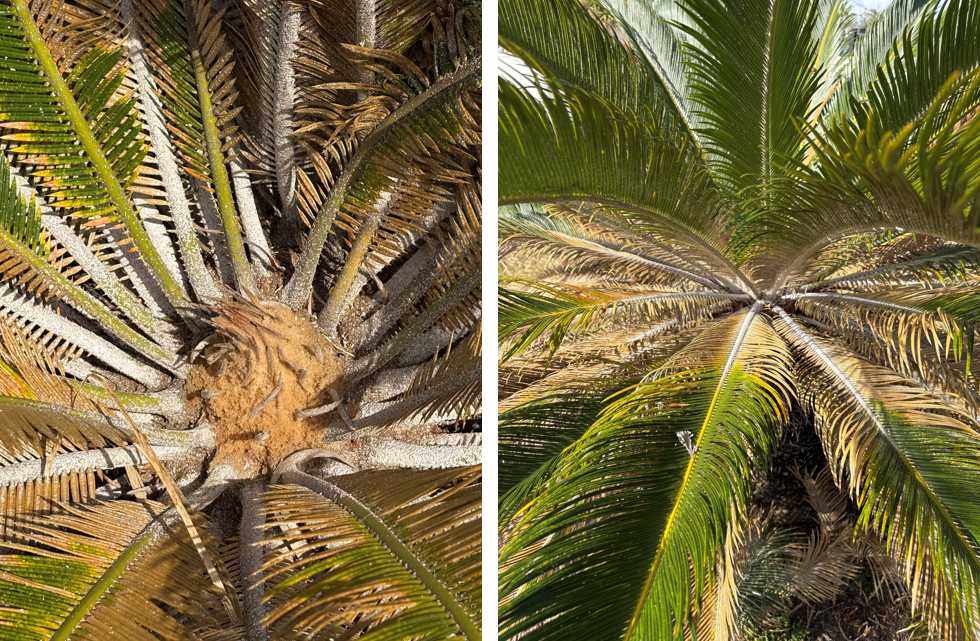
At a residence in the Katy Prairie Estates area of Katy, five small live oaks were showing stress throughout the property. Two trees were located in the front yard and three were located in the back yard. The trees had recently been planted and were also exposed to herbicide related injury, creating combined stress factors.
Evaluation Findings:
Assessment documented decline indicators consistent with transplant shock compounded by herbicide damage. Observable symptoms included reduced vigor, impaired new growth, and foliage stress consistent with chemical exposure and limited root establishment. The pattern across all five live oaks supported a property-wide condition issue rather than isolated individual tree problems.
Intervention:
A condition-based plant health care strategy was recommended to stabilize the trees and improve recovery potential. The approach focused on supporting root establishment, improving root-zone function, and reducing additional stress while the trees recovered from herbicide related injury and transplant shock.
Outcome (Observable):
This case study documents a treatment need based on observed herbicide damage and transplant shock. Observable outcomes are expected to be documented through monitoring after treatment implementation, with the goal of restoring vigor and promoting sustained new growth across all five live oaks.
Case Study #2834: Wood-Boring Insect Treatment - Cinco Ranch Greenway Village, Katy
Property Context:
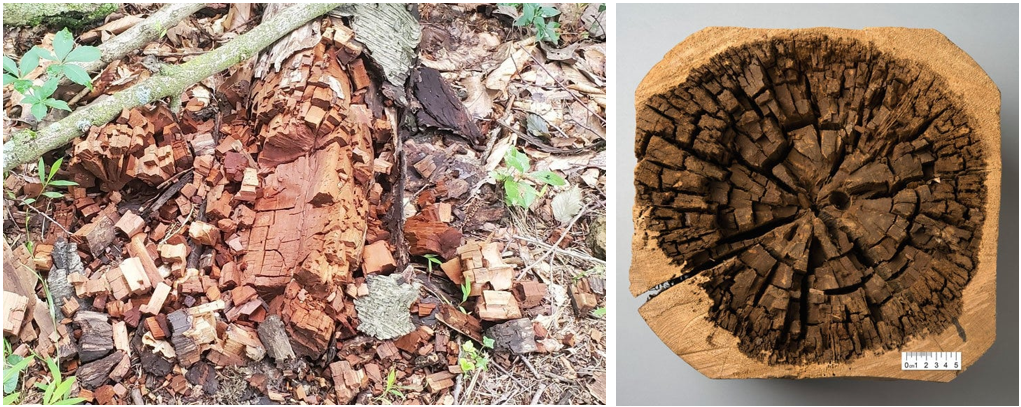
At a residence in the Cinco Ranch Greenway Village area of Katy, an American elm tree in the back yard was exhibiting decline indicators consistent with insect driven stress.
Evaluation Findings:
Assessment documented indicators consistent with wood-boring insect activity affecting the American elm. Findings supported active borer pressure contributing to reduced vigor and increased decline risk if left unmanaged.
Intervention:
A targeted wood-boring insect treatment was performed for the American elm to suppress borer activity and protect functional vascular tissue. Management focused on reducing ongoing insect pressure and supporting recovery through condition-based plant health care.
Outcome (Observable):
Following treatment, the American elm demonstrated improved stability in canopy condition and overall performance. Subsequent monitoring documented reduced indicators consistent with ongoing borer activity and improved vigor consistent with successful suppression and recovery support.
Request an Arborist Evaluation in Katy, TX
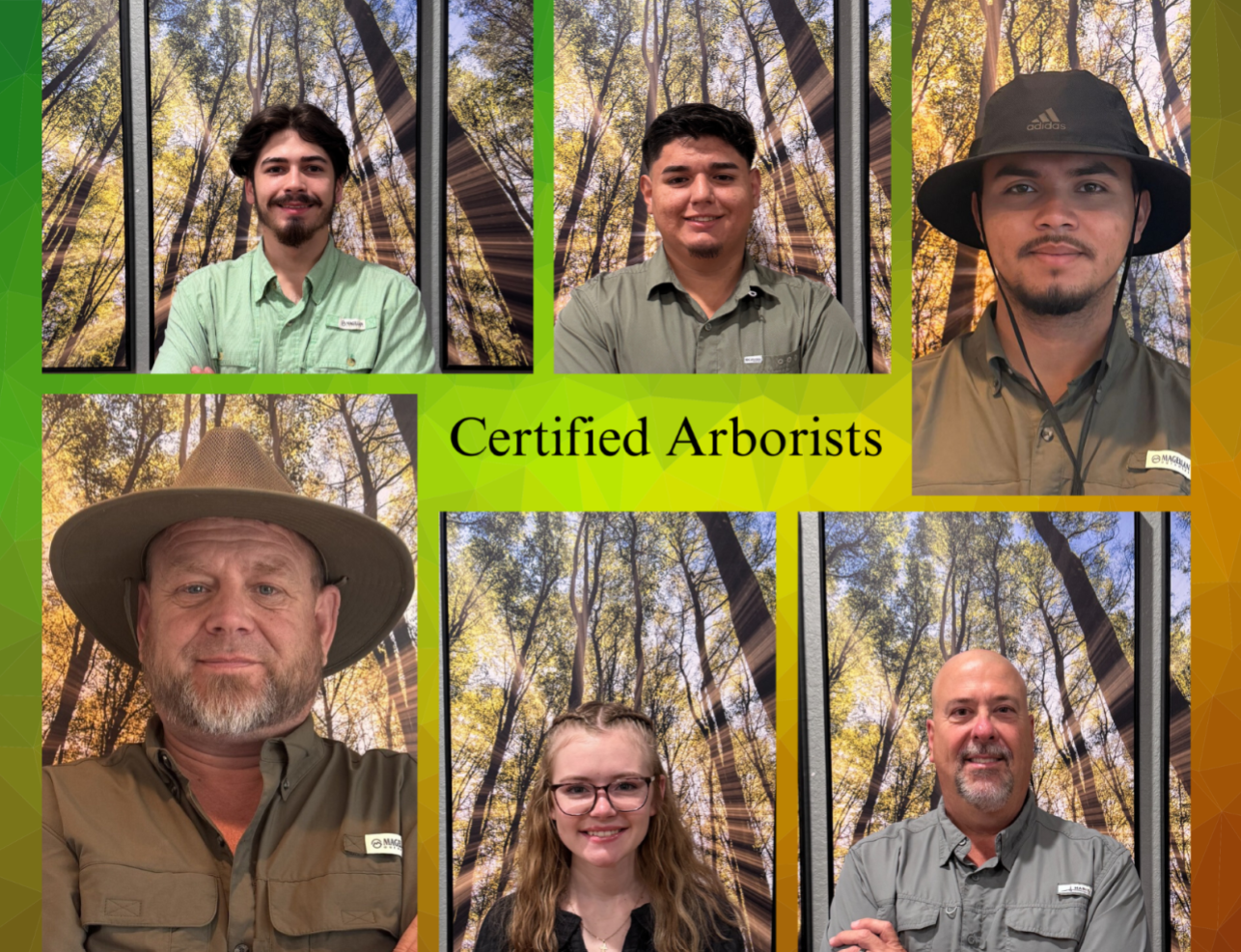
If you have questions regarding structural reliability, canopy balance, or long-term tree health in Katy, request an evaluation with a certified arborist. Recommendations are based on documented findings and site-specific conditions.
Book an appointment below
Get a quote
Contact Us
What Our Customers Say
Paid Arborist Consultation
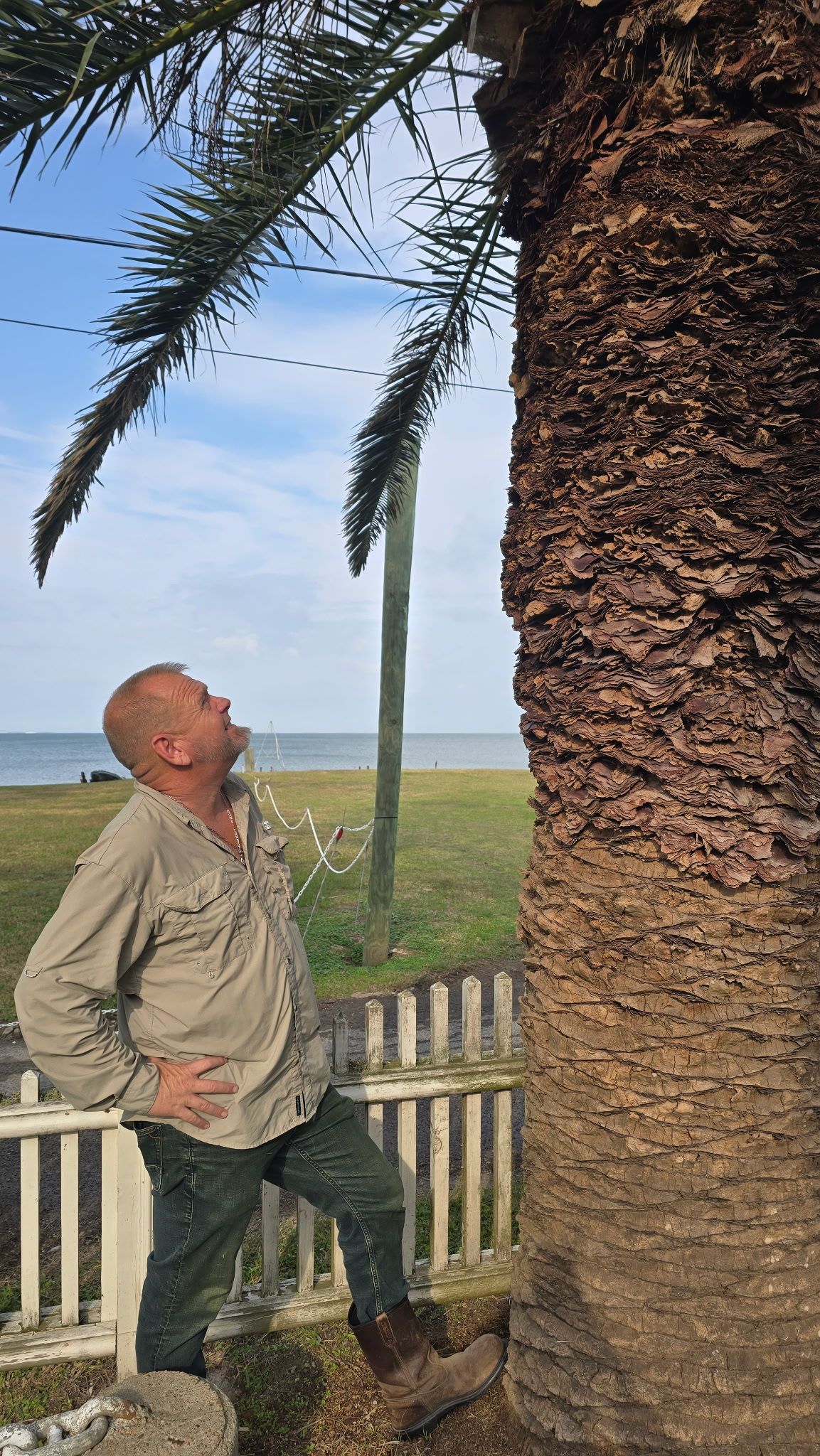
Have questions or concerns about your tree’s care? Our tree expert will come to you to consult on your tree’s needs.
Tree Care Services
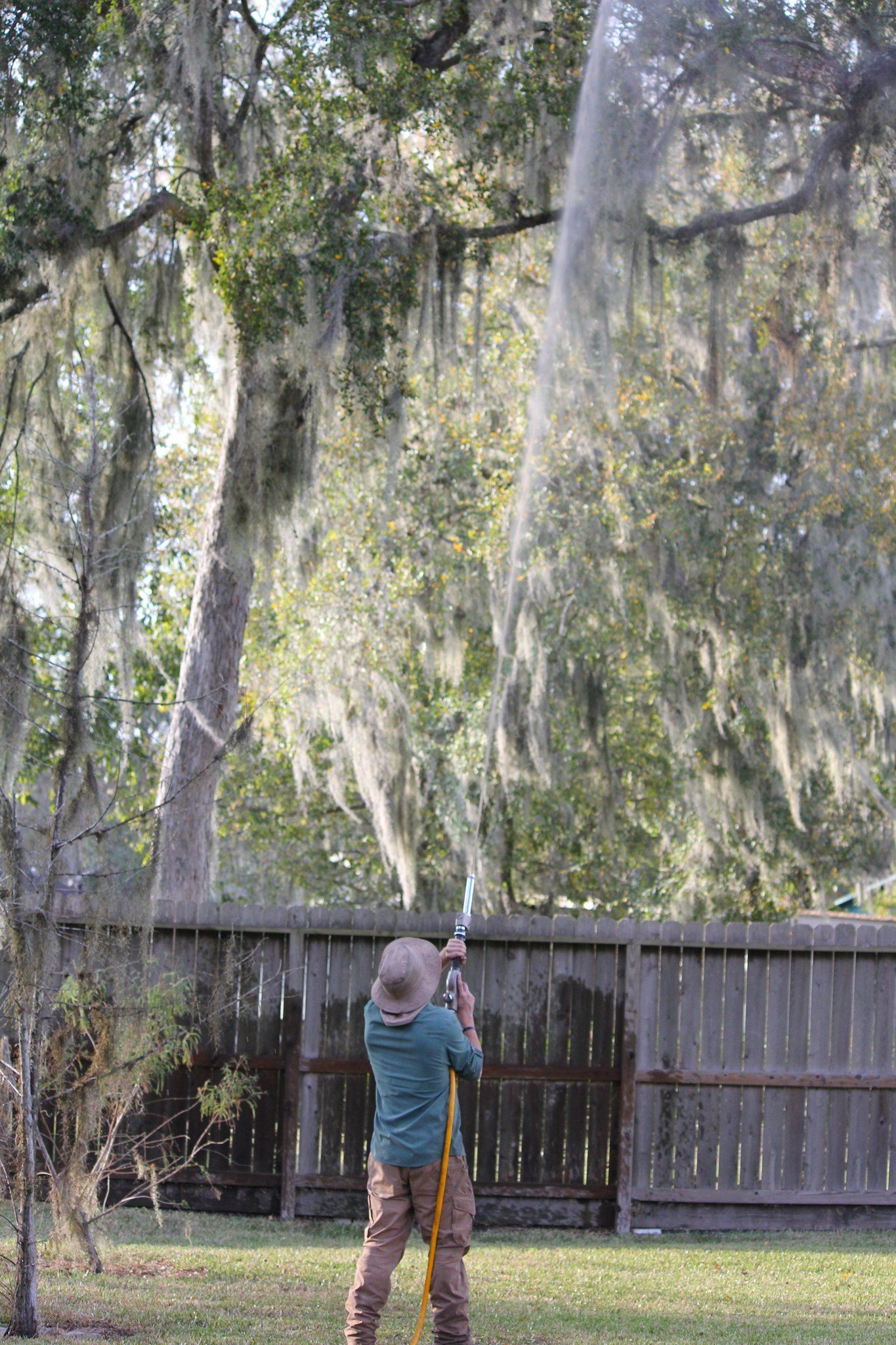
From preventative tree care to tree treatments and more, we’ll help ensure your tree gets the best care possible.
Free Estimates
If you need specific tree work done, we offer free estimates on tree services such as tree removal, stump grinding, and more.
Science-Based Plant Health Care
Targeted treatment plans for root-zone health, pest pressure, and structural support, built around diagnosis, site conditions, and long-term tree performance.
Best for
- Yellowing foliage, thinning canopy, and decline
- Root stress, compacted soils, and poor growing conditions
- Ball moss, scale, caterpillars, and wood-boring pests
- Pine bark beetle and termite concerns
- Trees that may need added structural support
What we do
- Biostimulant and root-zone treatments to improve site conditions
- Targeted treatments for ball moss, scale, caterpillars, borers, beetles, and termites
- Arborist-guided evaluation of plant stressors and contributing factors
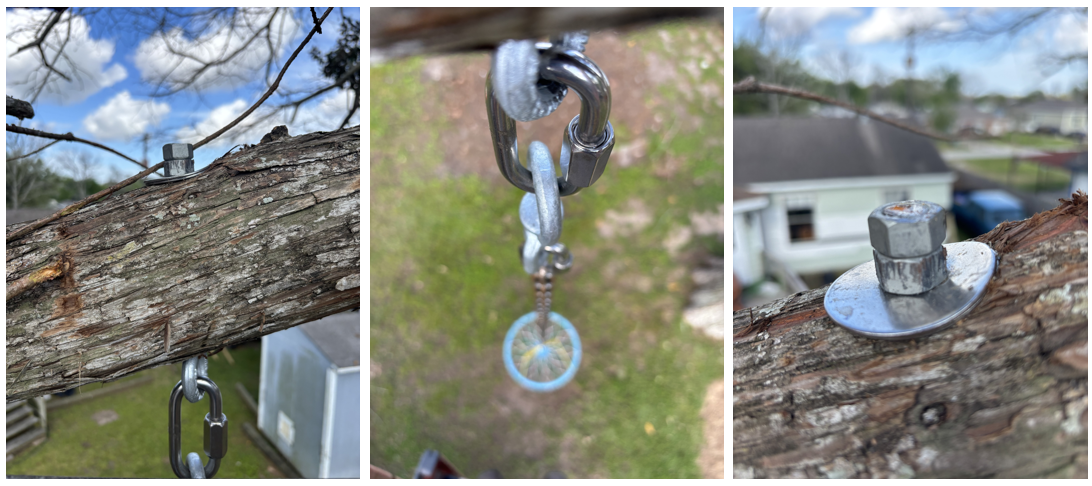
- Bolting and bracing when structural support is justified
Precision Tree Services
Objective-based pruning, responsible removals, and stump grinding planned around tree condition, site use, and property protection.
Best for
- Structural pruning and canopy management
- Clearance over roofs, driveways, and walkways
- Storm damage recovery and deadwood reduction
- Tree removal when mitigation is not reasonable
- Stump grinding for site reset, replanting, or landscape improvements
What we do
- Tree pruning with defined objectives and proper cuts
- Tree removal planning with safety, rigging, and property protection
- Stump grinding with depth, spoil, and backfill options based on site goals
- Clear recommendations and arborist-led guidance from start to finish
Liriope’s Muse - Expert Tree Care Tips