

Organized Tree Data for Better Property Decisions
Managing trees across a property starts with knowing what is there, what condition it is in, and how those trees relate to the site as a whole. Without clear inventory data, it becomes harder to make informed decisions about maintenance, preservation, budgeting, planning, and long-term care.
Our tree surveying and tree cataloging service is built around organized field data, clear documentation, and practical use. We help property owners, managers, and project teams create a reliable picture of the tree resource on a site so future decisions are based on real information, not guesswork.
What Is Tree Surveying & Tree Cataloging?
Tree surveying and tree cataloging is the process of documenting trees on a property in a clear, organized way. Depending on the site and the project, this may include tree location, species, size, general condition, and other useful field data.
The goal is not just to count trees. The goal is to create a usable record that supports planning, management, and better decision-making over time.
When Tree Surveying May Be Needed
Tree surveying and cataloging may be appropriate when:
- A property owner wants a clear inventory of the trees on site
- A project needs organized tree data for planning purposes
- A site has multiple trees that need to be documented
- Long-term tree management needs a better starting point
- A property manager or HOA wants a more structured record
- A site needs baseline information before changes are made
- Tree preservation and maintenance decisions need better support
Why Organized Tree Data Matters
Without a clear inventory, tree decisions are often reactive. Important trees may be overlooked, maintenance priorities may be unclear, and planning becomes harder than it needs to be.
A well-prepared tree survey helps create structure. It gives property owners and managers a practical way to understand the site, track tree information, and make better decisions about care, preservation, and future work.
Our Tree Surveying Process
1 - Initial Consultation and Scope Review
We begin by understanding the property, the goals of the project, and the level of detail needed. This helps define the scope of the survey and the type of information that will be most useful.
2 - Site Survey and Tree Data Collection
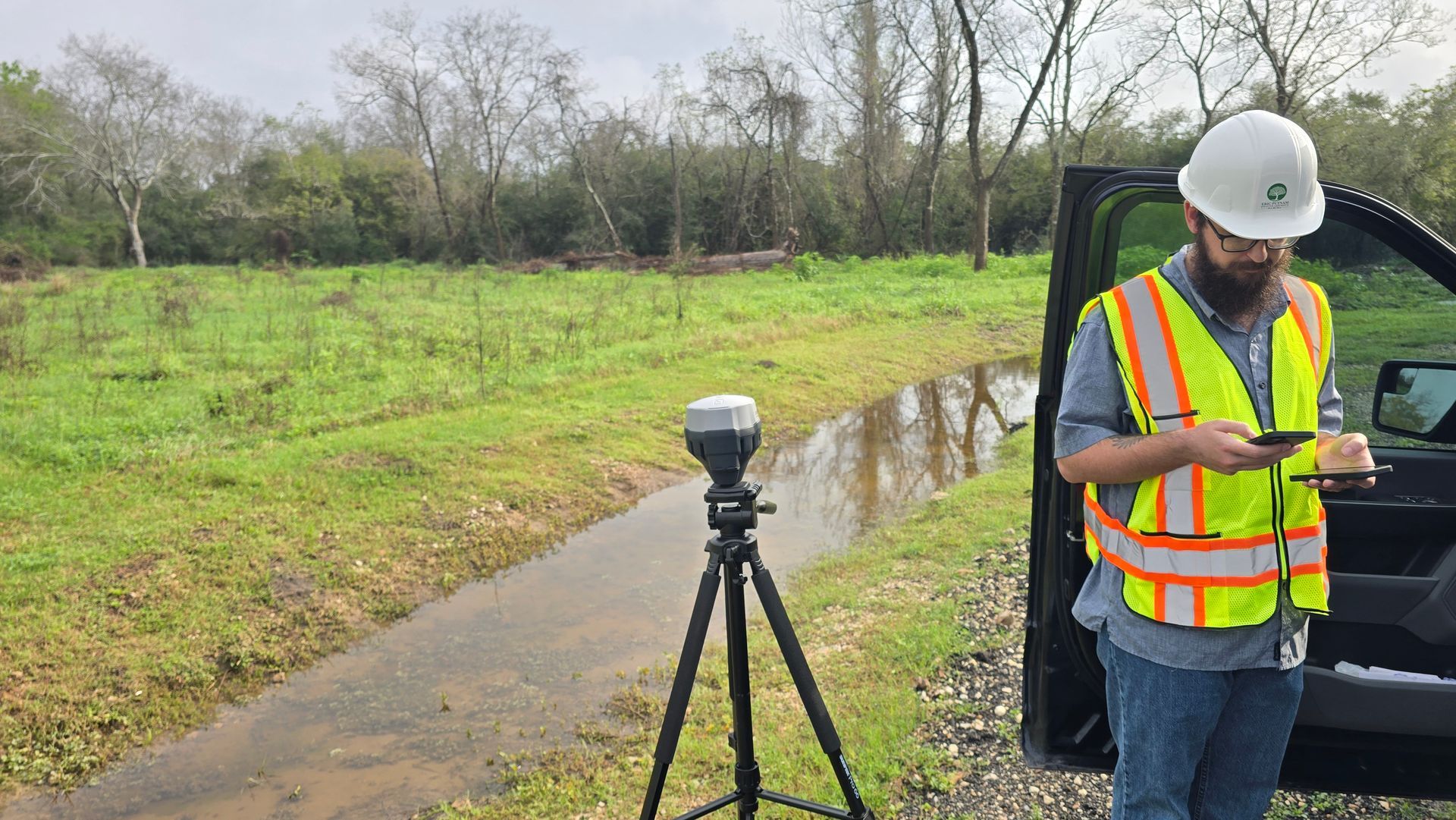
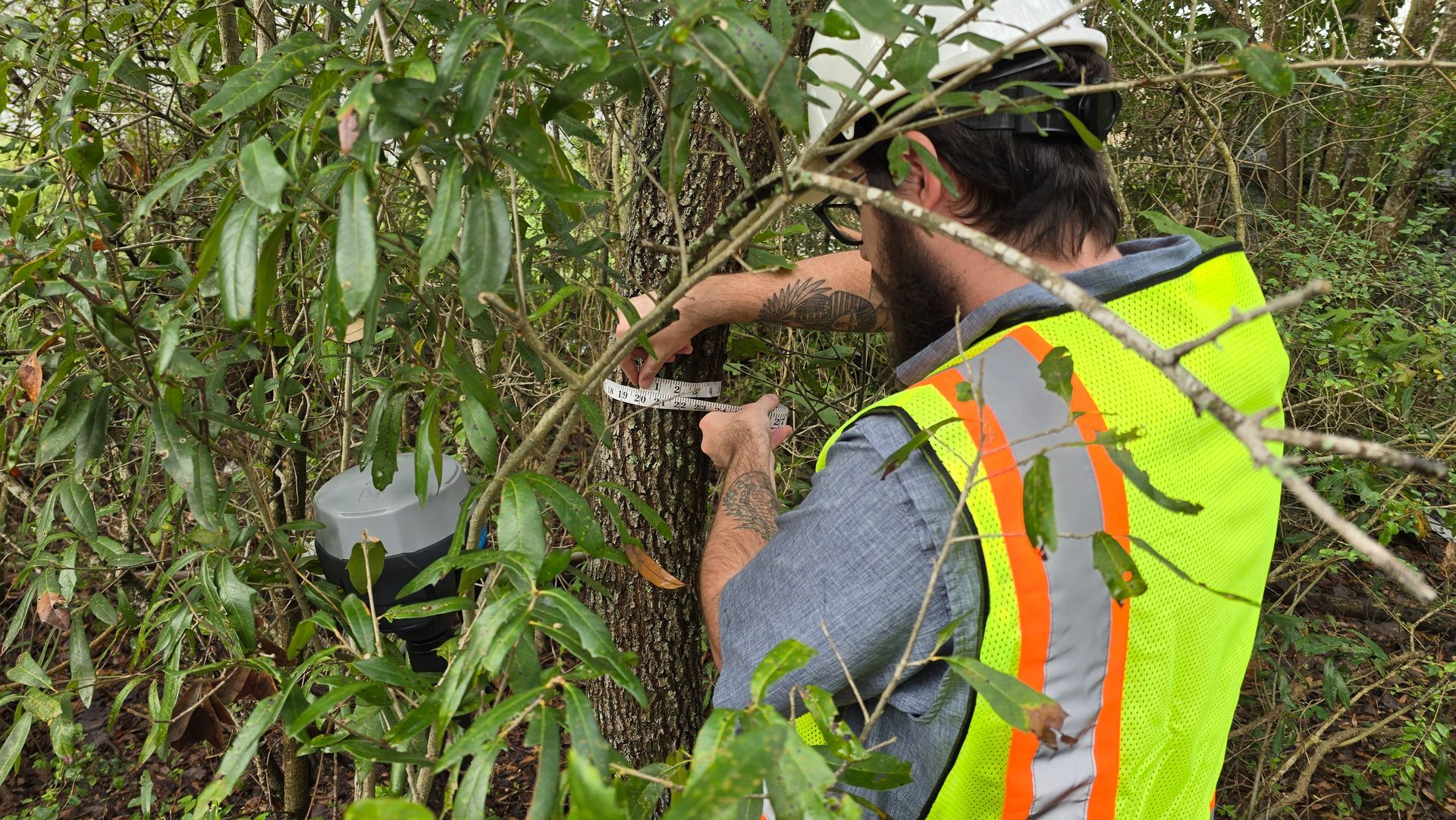
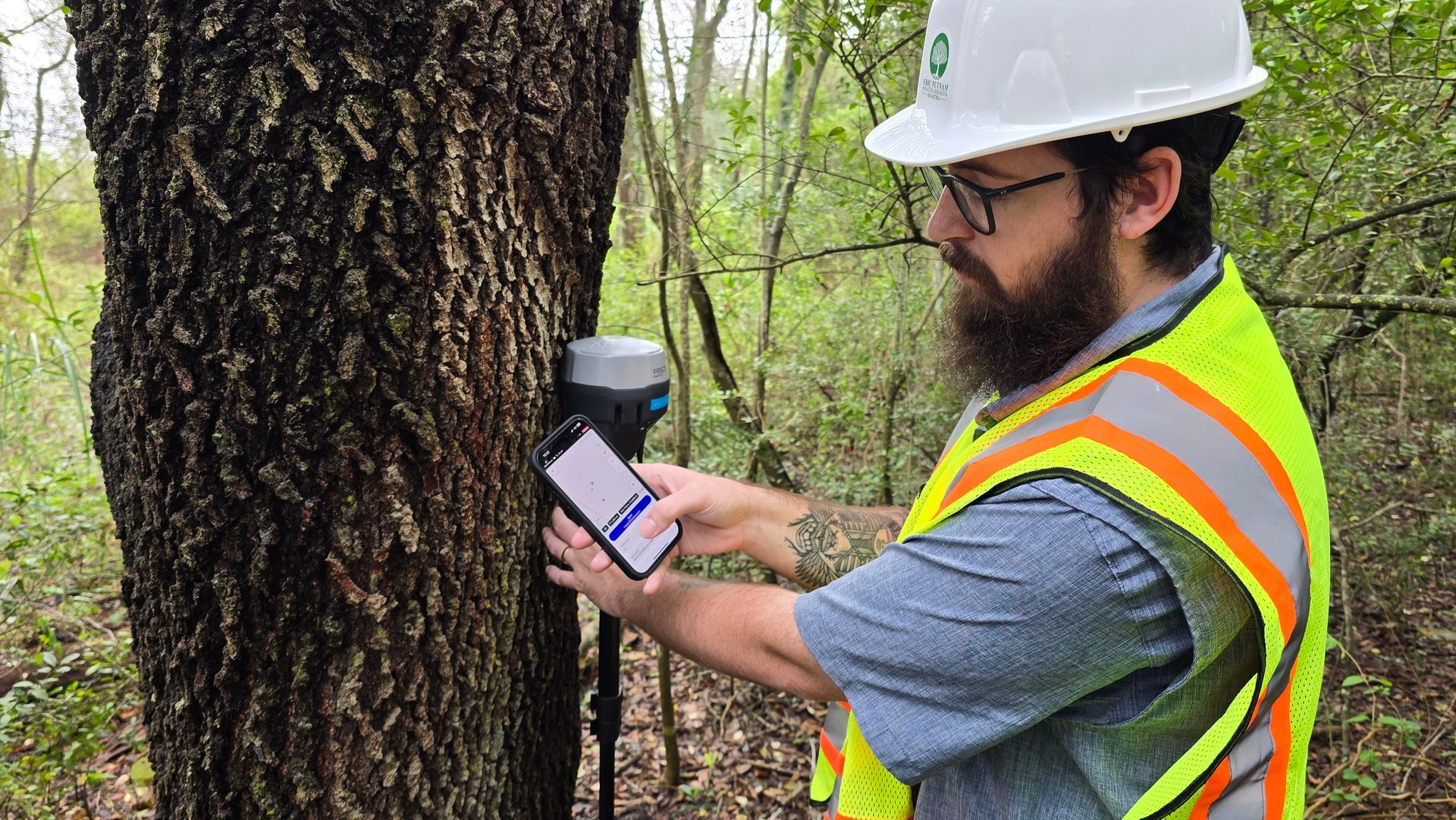
We perform a field review of the property and document the trees included within the survey scope. This may include species identification, size measurements, location data, and general condition observations.
3 - Tree Cataloging and Organization
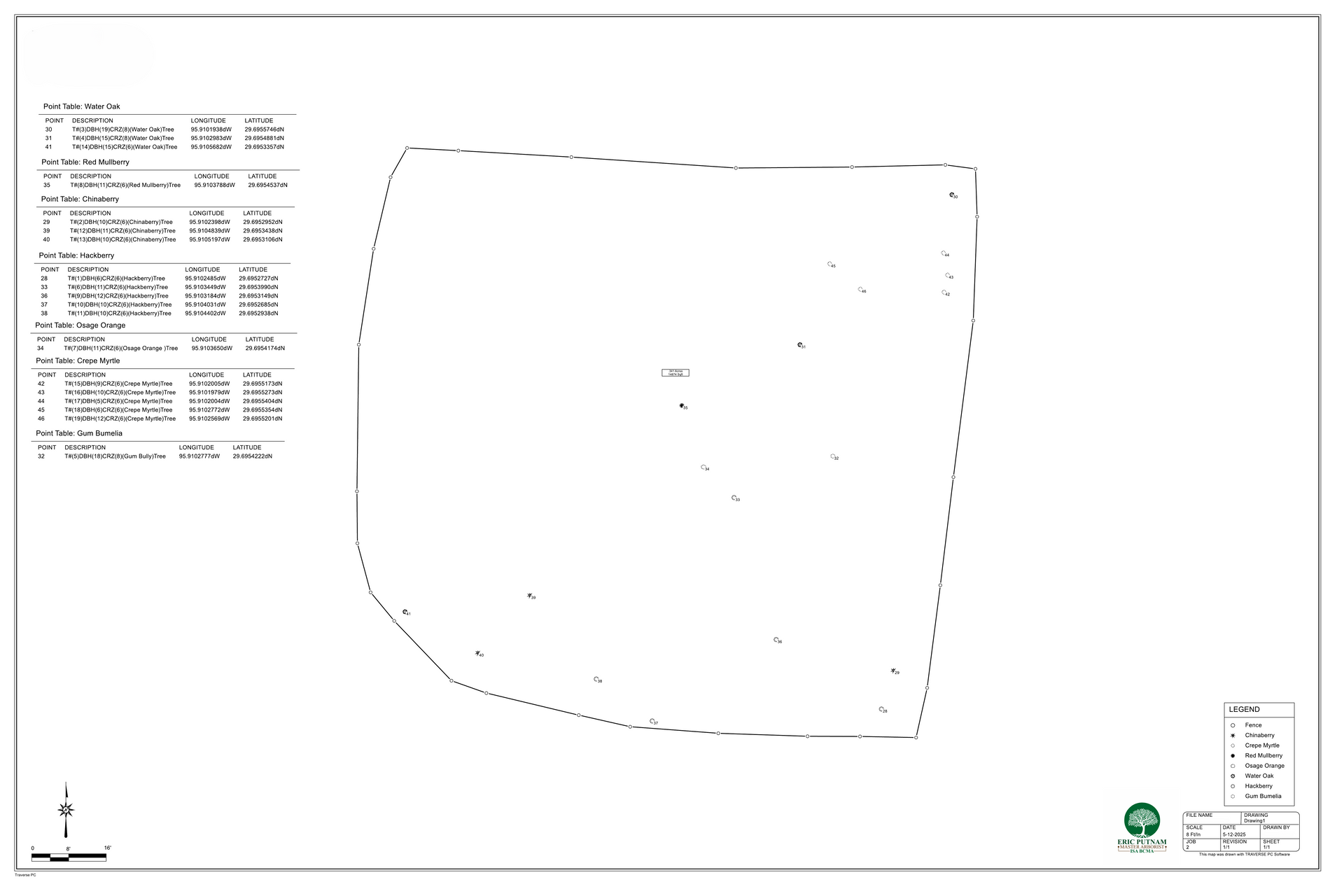
Once field data is collected, we organize it into a usable format that helps the client understand what is on the property and how the tree resource is distributed across the site.
4 - Final Deliverable and Follow-Up
After the survey is complete, we provide the finished information in a practical format and help clarify the next step if additional evaluation, reporting, or management guidance is needed.
Why Hire A Certified Arborist For Tree Surveying
Tree surveying should do more than produce a list. It should create information that is useful, organized, and relevant to the property. When the work is done with arboricultural awareness, the final survey becomes more valuable for long-term decision-making.
A certified arborist helps ensure the survey is grounded in real tree knowledge, field accuracy, and practical site understanding. That matters when the information will be used for planning, care decisions, property management, or future consulting work.
Schedule a Tree Survey
If you need a clearer understanding of the trees on your property, schedule a tree survey and get organized information you can actually use.
Common Questions About Tree Surveying & Tree Cataloging
What is the purpose of a tree survey?
A tree survey helps document the trees on a property so owners, managers, and project teams have organized information for planning and decision-making.
What is tree cataloging?
Tree cataloging is the process of creating a structured inventory of trees, including useful data such as species, size, location, and general condition.
Who needs tree surveying services?
Tree surveys are often helpful for homeowners with larger properties, HOAs, property managers, project teams, and anyone who wants a better understanding of the tree resource on a site.
Can a tree survey lead to other services?
Yes. In some
cases, a tree survey may lead to additional evaluation, arborist reporting, management planning, or preservation recommendations.